New €500 fine for wild camping in Gorenjska
- Publication date
- Category
- Camping
- Statistics
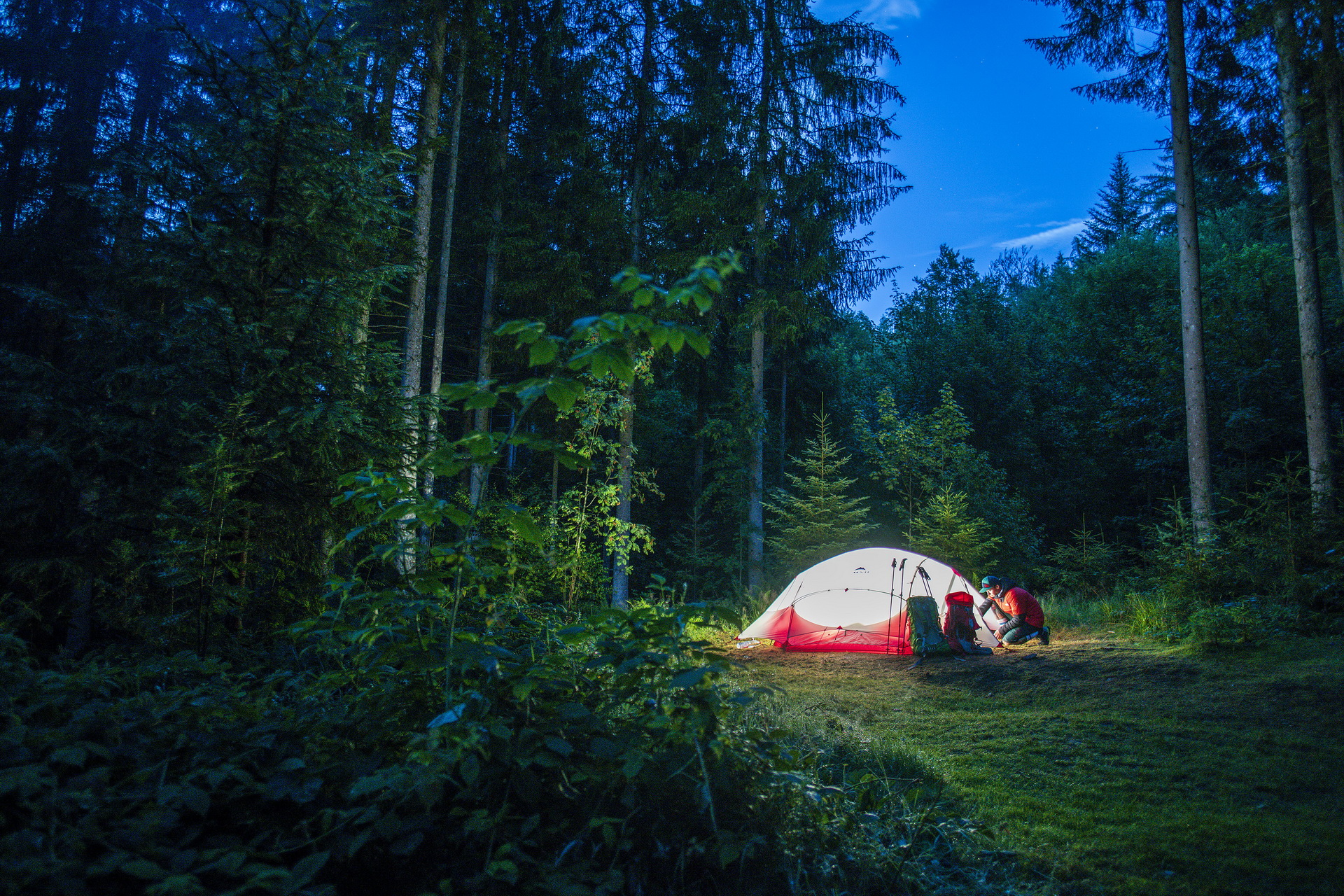
Under the new legislation, wild camping is monitored by municipalities. In the Gorenjska region, municipalities have decided on a joint approach: a uniform fine of €500, which is intended to deter tourists from camping illegally.
At an extended coordination meeting in early February, the mayors of the municipalities of Upper Gorenjska and the Soča Valley agreed to harmonize changes to municipal decrees in all eleven municipalities of the Julian Alps Biosphere Reserve before the summer season.
New legislation adopted at the end of January transferred the authority to monitor illegal camping from the state police to the municipalities. The mayors emphasize that local communities will now be responsible for maintaining order and peace. Until now, the fine for illegal camping was approximately €80, or €40 if paid within eight days. According to the proposed amendments to the Protection of Public Order Act, the fine is €100 (or €50), which, in the opinion of the mayors, is less than the cost of an overnight stay in a regulated campsite and therefore pointless.
Gallery (1 photo):
Uniform fine of €500
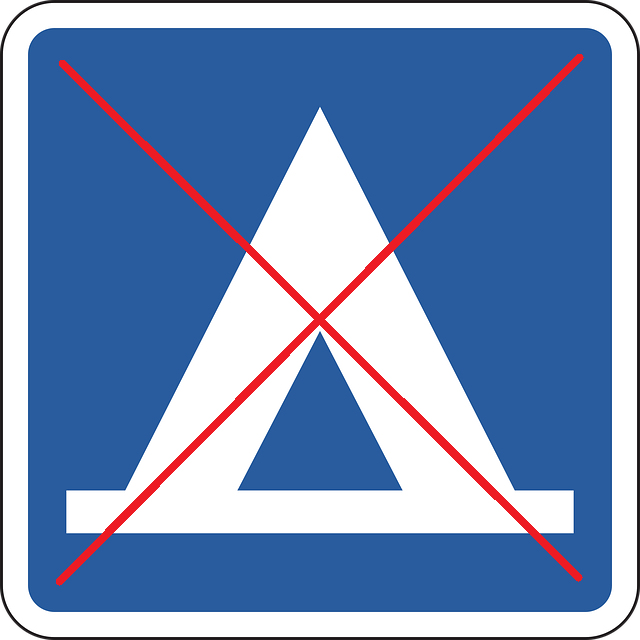
The agreement provides for a uniform fine of €500 for illegal camping. All eleven mayors will propose such an amendment to local ordinances to their municipal councils, which will make the fine the same in all municipalities. However, the half-price rule will still apply: if the fine is paid within eight days, it will amount to €250.
The fine must be set higher than the price of an overnight stay at a campsite in order to have a preventive effect. Some tourists have so far deliberately camped illegally, preferring to pay a low fine rather than stay at a campsite. Mayors also hope that information about the high uniform fine will be spread as widely as possible and deter most potential offenders in advance. The uniform decree will be ready by the end of February, and municipal councils will approve it before the start of summer, so that the fine will already apply in this year's tourist season.
Gallery (3 photos):

Why were higher fines decided upon?
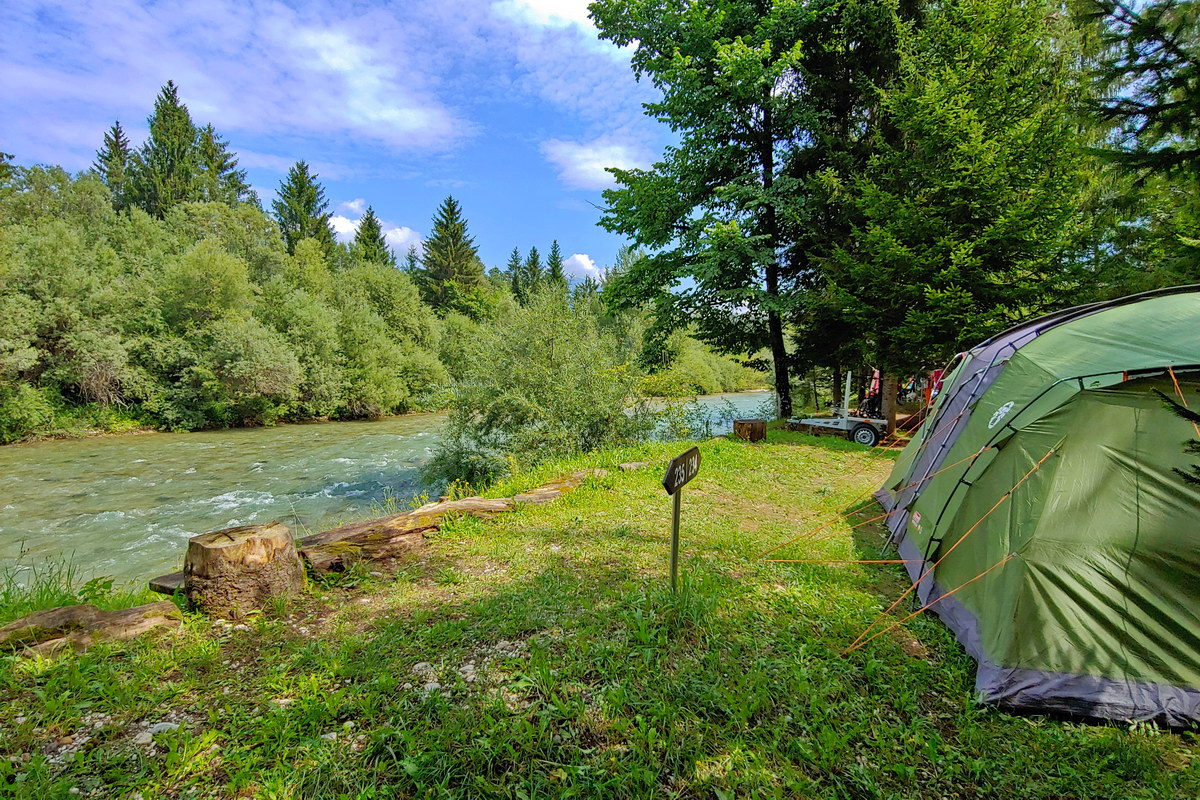
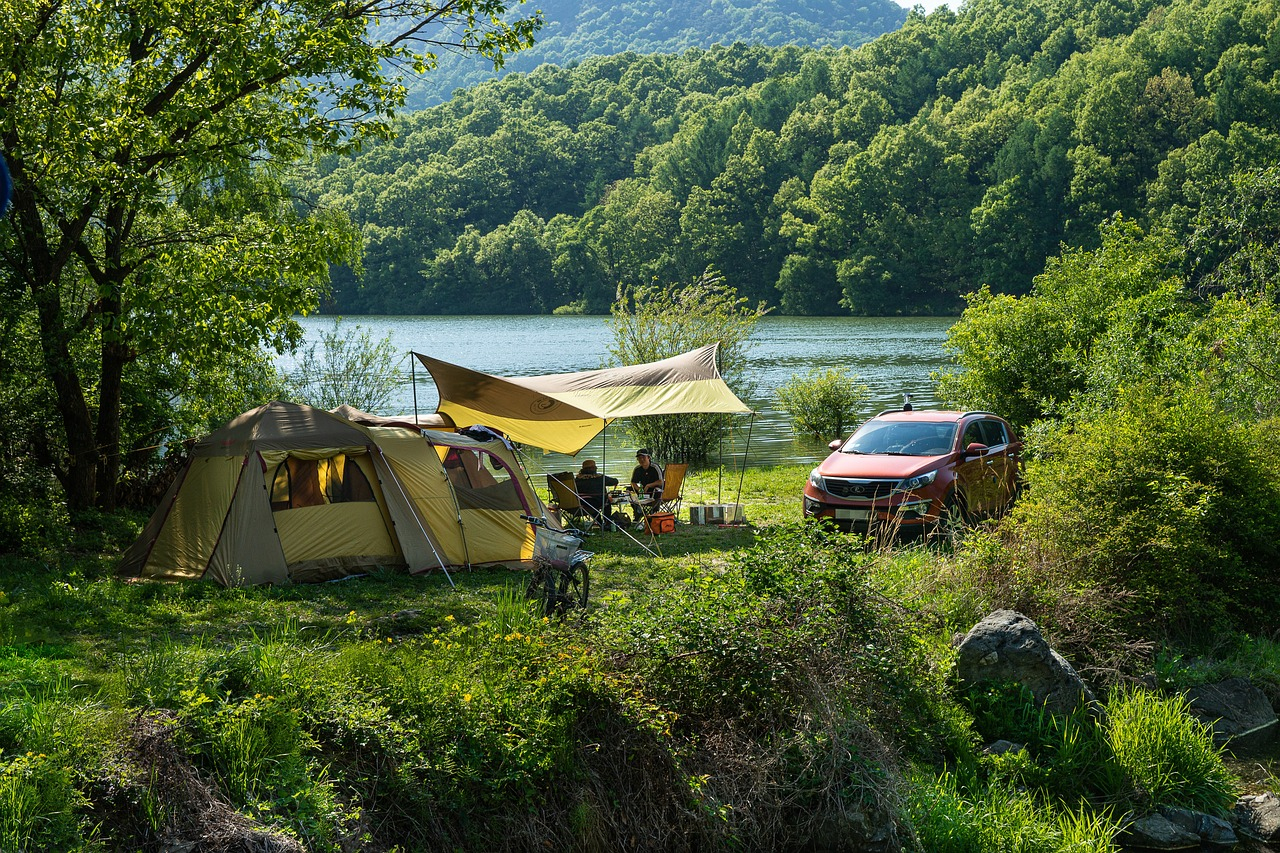
Wild camping has become increasingly popular in recent years. Tourists are staying on private land, by rivers, along access paths, and in the hills, often in the most beautiful parts of nature. This type of stays disturbs local residents, causes noise and pollutes the environment with litter and faeces, and also means a loss of income for organized campsites and motorhome stops. The problem also arises when there is sufficient space in organized campsites, but tourists nevertheless choose the most attractive locations in nature; high fines are intended to deter offenders.
According to the mayors, higher fines are also necessary because, following an amendment to the law, the police are no longer allowed to monitor camping. This task will be taken over by inter-municipal inspectorates, which are already facing a shortage of staff. As this is a demanding job, the services must be provided with an adequate number of officers and appropriate salaries – the mere threat of punishment without actual supervision and enforcement of the adopted decree in the field will not be effective.
There is a desire for the state to give municipal police officers more powers to supervise other tourist activities, as municipal services act more quickly and effectively than state inspections. This would make it easier to protect the natural environment and local communities from the consequences of wild camping. At the same time, this is one of the steps towards more responsible and sustainable tourism.
Gallery (6 photos):